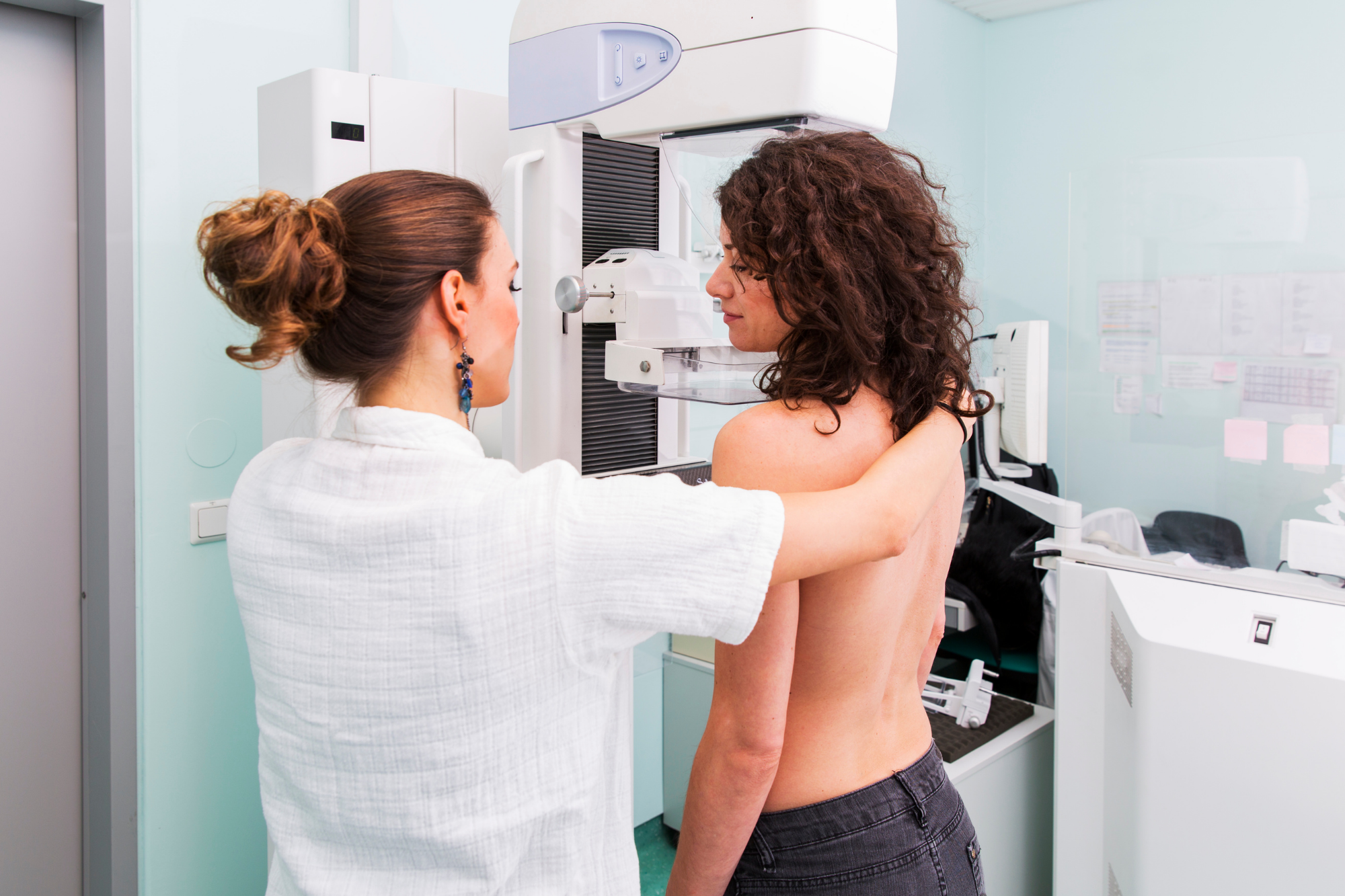
A mammogram is a medical imaging technique used to screen for and detect breast cancer in its early stages. It is a specific type of X-ray that creates detailed images of the breast tissue. Mammograms are primarily used for breast cancer screening in women, although they can also be used for diagnostic purposes in both women and men if a breast abnormality is detected.
What to expect from a mammogram?
During a mammogram, the breast is compressed between two flat plates to spread out the tissue, which allows for better imaging and lower radiation dose. While mammograms can be uncomfortable due to this compression, they are a crucial tool in detecting breast cancer at an early, more treatable stage.
In the course of a mammogram, multiple images may be captured of either one or both of your breasts. This involves a gentle compression of the breast to facilitate the separation of breast tissues, ensuring comprehensive visibility of all areas within the breast(s).
How to prepare for your appointment
If you encounter breast tenderness in the days leading up to your menstrual period, we recommend refraining from scheduling a mammogram during this period. Ideally, the best time for your mammogram is approximately one week after your menstrual period, unless it is an urgent examination. If you have breast implants, please inform our staff when booking your appointment, as it may require a longer time slot.
Additionally, we suggest that you refrain from applying talcum powder, cream, or deodorant under your arms or in the breast area on the day of your examination, as these substances can appear in the images. If you are pregnant or currently breastfeeding, it is crucial to inform our staff at the time of booking your appointment.
What do you need to bring to your appointment?
Your referral form - please note we accept all referral forms from all providers
Medicare card
Pension or concession card
Any prior imaging
When can I expect my doctor to receive the results?
Our radiologist will analyse your scan and send the findings directly to your doctor when they are ready. Subsequently, your referring doctor will examine the results and provide you with an explanation.
Fees and Billing
There is an out-of-pocket expense associated with mammography services, due to the intricacy of the examination. If you hold a pension or concession card, we kindly request that you discuss your billing arrangements with our reception team.
Find a practice
We have multiple locations across Victoria, Western Australia, and South Australia.